
State-of-the-Art HVAC Systems
From Willis Carrier's 1902 invention to today's IoT-connected, sensor-driven systems — HVAC technology has entered the 21st century.
HVAC History
Willis Carrier is generally credited with the invention of air conditioning in 1902, eventually leading to the creation of the Carrier Corporation in 1915. Carrier innovated air conditioning again in 1922 with the centrifugal refrigeration chiller.
Incorporating today's computer advancements in speed, size, and cost — as well as applied sensor and control technology — has catapulted HVAC systems into the 21st century.
What's Happened to HVAC Systems
Smaller Commercial Facilities
Split ductless HVAC systems manufactured by companies like Daikin, Mitsubishi, Fujitsu, and LG provide state-of-the-art design. Using multizone condensers and branch boxes with today's sophisticated electronic controls provides simultaneous space heating and cooling including lower heat pump operating temperatures — makes split ductless air conditioning with heat pumps a viable alternative for space conditioning.
Larger Commercial Applications
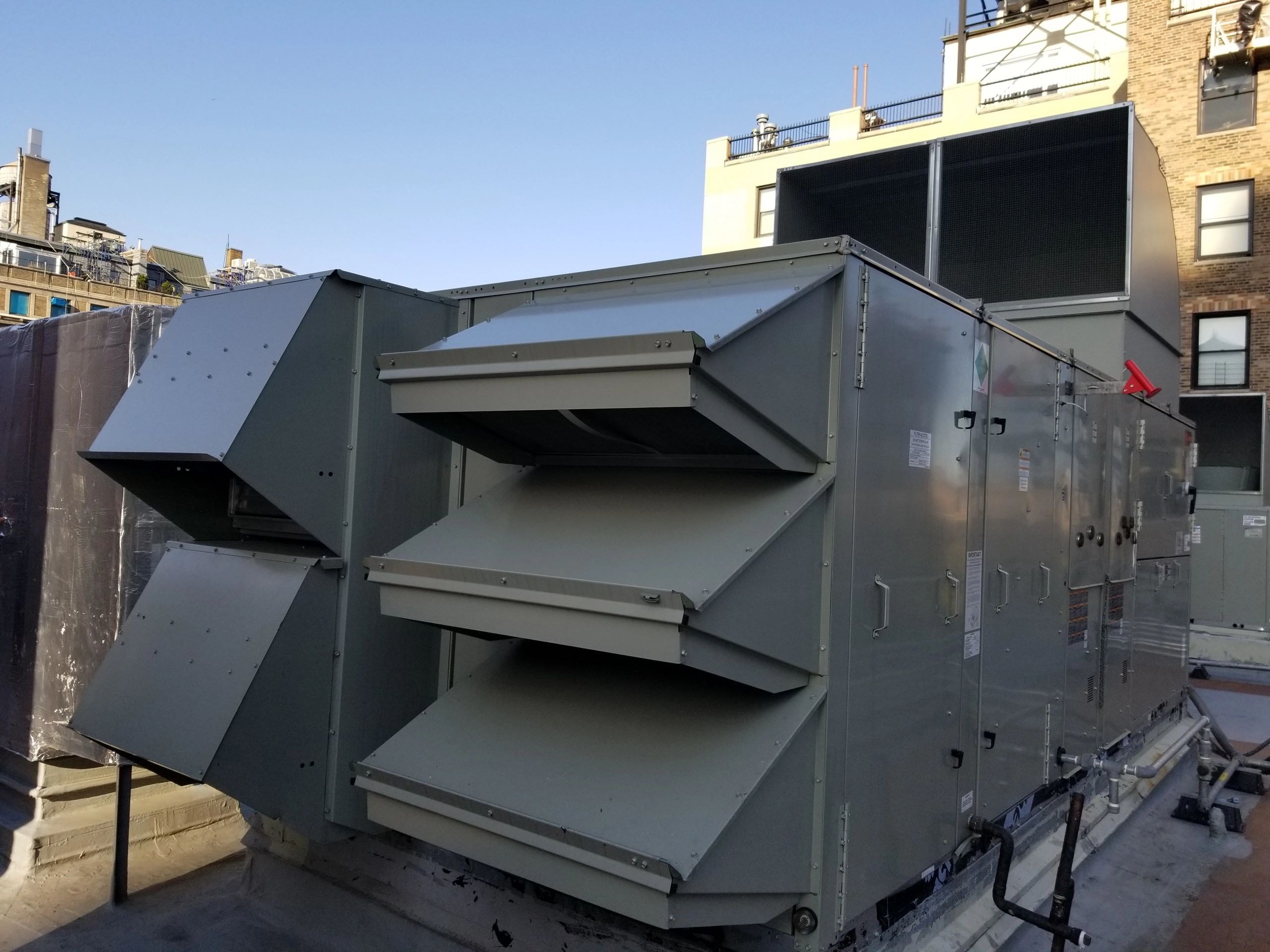
Larger commercial applications typically require rooftop package HVAC units. The integration of electronics has achieved dramatic advances in the performance of these units. The application of variable frequency drives (VFDs) to operate condenser fan motors, compressors, and evaporator fans has both reduced operating cost and noise during operation while increasing overall system efficiency. Minimizing outside air with the use of CO2 and other air quality sensors provides a healthier, more energy efficient and productive work environment.
Heating Systems
On the heating side, variable fire controlled combustion heat exchangers for natural gas heating and stainless steel heat exchangers provide an extremely efficient operational mode.
Sensor & Control Integration
Electronic integration of static pressure sensors, carbon dioxide sensors, position sensors, humidity sensors, outdoor and indoor space temperature sensors, suction and discharge pressure sensors — all coupled with computer algorithms — creates what we know as the state of the art in HVAC systems today.
IoT Connectivity
Using the "Internet of Things," IoT connectivity device management platforms allow multiple devices from multiple manufacturers to communicate with each other without additional interface hardware — This eliminates isolation relays, additional wiring for redundant sensor installations, and thus dramatically reducing the cost of building management system integration.
Having It and Doing It Are Two Different Things
Energy Consulting Services, Inc. has witnessed jobs where advanced HVAC systems and controls had improper startup commissioning of the new equipment, or incorrect or absent monitoring of that equipment, creating operational problems and comfort issues. We have been hired to resolve such problems and have served as owner's representatives, project managers, and turnkey developers — thus avoiding such pitfalls from the start.
The Successful Project
When Energy Consulting Services has been the owner's representative, project manager, and turnkey developer on advanced HVAC systems, a successful outcome is guaranteed. We design the facility's system requirements, have the knowledge of how that system should work, and spend the time with the manufacturer's representatives to test the system — ensuring the functionality purchased is the performance delivered on site.
Project Testimonial
Please refer to the customer "State-of-the-Art HVAC" section of our website for project testimonials.
Ready to Upgrade Your HVAC System?
Contact us to discuss a properly engineered, commissioned, and monitored state-of-the-art HVAC system for your facility.
Contact Us